

Explore our comprehensive guide for new USDOT number holders in the trucking industry, covering essential compliance areas like Operating Authority, drug and alcohol testing programs, FMCSA regulations, and supervisor training.
Compliance Requirements for Commercial Vehicles & Trucking Companies
Drivers and owner-operators of commercial motor vehicles — and any kind of tucking company or commercial vehicles that transport cargo or transport passengers — require a number of legal and operational responsibilities to stay compliant with laws and regulations.
The U.S. Department of Transportation (USDOT) and the Federal Motor Carrier Safety Administration (FMCSA) have implemented strict guidelines and regulations to ensure the safety of commercial motor vehicles on the road.
We’ll discuss that and more in this article.
Understanding the FMCSA Operating Authority
The FMCSA Operating Authority is a legal permit required by all trucking companies and owners of commercial motor vehicles to transport cargo or passengers across state lines.
The USDOT number and the FMCSA Operating Authority are two separate, but both necessary, registrations for a new USDOT number holder. A Motor Carrier Number (MC number) will be required to gain operating authority.
When Do You Need FMCSA Operating Authority?
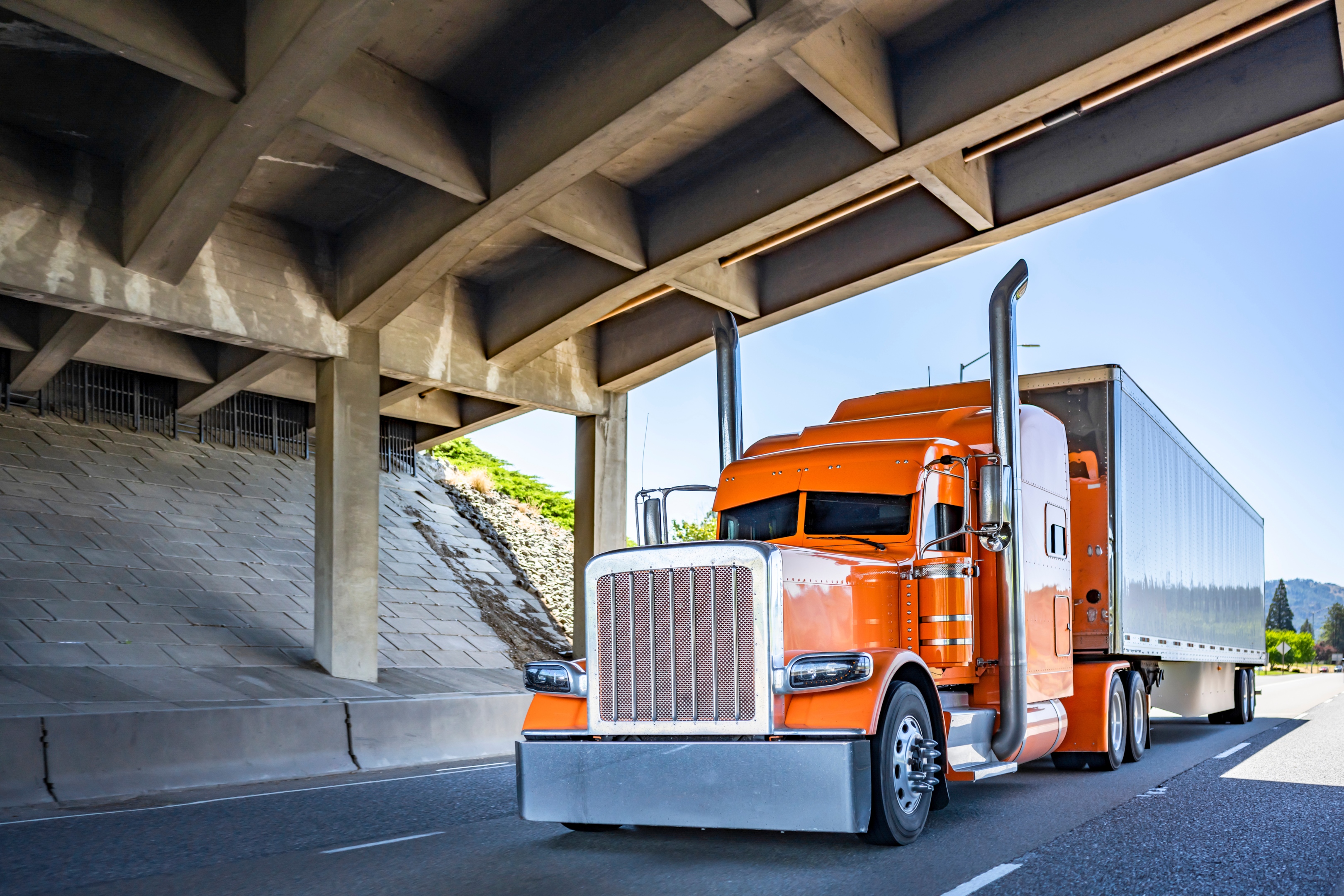
An FMCSA Operating Authority is required for any carrier that transports federally-regulated cargo or passengers in interstate transportation.
This is an additional step after registering with the FMCSA and acquiring your USDOT number.
There are several types of FMCSA Operating Authorities. The following are the most common operating authority types:
- Motor Carrier of Property (except Household Goods) – This includes trucks that transport goods or property but not household goods.
- Motor Carrier of Household Goods – Includes trucks transporting household goods, such as moving companies.
- Broker of Property (except Household Goods) – This applies to companies that arrange transportation of goods by connecting shippers with carriers.
- Freight Forwarder (MC Number is required) – Freight forwarders are responsible for handling the cargo during shipping and arranging transportation services.
- Motor Passenger Carrier Authority – This includes companies that transport passengers or operate charter buses.
How to Apply for Operating Authority (MC Number)
To acquire an MC number, applicants must first undergo the FMCSA registration process and the USDOT number application process. First-time applicants must register via the Unified Registration System.
To apply, you must have the following:
- A USDOT Number
- Contact Information (email, phone number)
- Truck or vehicle information (gross combination weight rating, year, plate number, etc.)
- Motor Carrier Insurance or a Surety Bond
Insurance requirements, as mentioned, will depend on the type of operating authority being applied for. Depending on the nature of the operation of your trucking company, you may need to apply for multiple operating authorities.
Understanding USDOT Numbers
A USDOT number is a unique identifier assigned by the Federal Motor Carrier Safety Administration (FMCSA) to certain types of commercial businesses that involve the transportation of people or property. Apart from the Federal Motor Carrier Safety Administration (FMCSA), several other agencies and U.S. states also require a USDOT number to track the safety information of their commercial motor carriers.
When Do You Need a New USDOT Number?
A USDOT number is required for all commercial motor vehicles engaged in interstate commerce, which includes:
- Vehicles transporting passengers or property across state lines
- Vehicles with a gross vehicle weight rating of 10,001 pounds or more
- Vehicles carrying and transporting hazardous materials that require the vehicle to be placarded
New USDOT Number vs. MC Number
USDOT and MC numbers are both required for new trucking companies and owner-operators that are planning on operating as interstate carriers, but they serve different purposes. A USDOT number is used to identify commercial motor vehicles, while an MC number is needed for operating authority.
To apply for an MC number, you must first have a valid USDOT number.
An MC number is only required for commercial vehicles engaged in interstate commerce, while a USDOT number may also be necessary for intrastate transportation.
How to Apply for a New USDOT Number
To acquire a USDOT number, applicants must complete an online registration form on the FMCSA website or have DOT Compliance Group submit it for them.
The application will require the following information:
- Company name, address, and contact information
- Type of business entity
- Vehicle types and number of vehicles being operated
- Cargo types and hazardous materials
Enrolling in a Drug and Alcohol Testing Program
In addition to the initial FMCSA registration process and acquiring a USDOT number, trucking companies who employ “safety-sensitive” drivers, this includes owner-operators, must enroll in a drug and alcohol testing program.
This is part of the FMCSA’s efforts to ensure the safety of all drivers on the road by enforcing strict drug and alcohol regulations.
Who Needs Drug and Alcohol Testing?
Motor carriers and drivers who hold a CDL/CLP, or similar license issued by Mexico or Canada and operate a commercial motor vehicle (CMV) in any state are required to undergo drug and alcohol testing. For the purpose of drug and alcohol testing, a CMV is defined as a vehicle:
- with a gross vehicle weight rating or combination weight rating of more than 26,000 lbs. or
- is designed to carry 16 or more passengers (including the driver), or
- of any size that is used to transport hazardous materials that require the vehicle to be placarded
What Type of Drug and Alcohol Testing is Included in the Program?
A drug and alcohol testing program consists of the following components:
- Pre-Employment Drug Testing
- Random Drug and Alcohol Testing
- Post-Accident Drug and Alcohol Testing
- Reasonable Suspicion Drug and Alcohol Testing
- Follow-up Testing
- Return-to-Duty Testing
FMCSA Regulations for Drug and Alcohol Testing
The FMCSA has strict regulations to ensure drivers’ safety on the road. They require that all drug testing be conducted by a certified laboratory, and alcohol testing must be performed using an approved breath analyzer machine.
Additionally, motor carriers must have a written drug and alcohol policy in place, as well as educate their employees on the dangers of substance abuse while operating commercial motor vehicles.
Registering in the drug and alcohol clearinghouse, a database that tracks drug and alcohol violations, is also mandatory for all drivers and motor carriers.
Registering in the Drug & Alcohol Clearinghouse
The drug and alcohol clearinghouse is an online database that was established by the FMCSA to track and regulate drug and alcohol violations by commercial motor vehicle drivers.
It is a central repository of information on all drug and alcohol tests performed on CDL holders.
The clearinghouse also keeps records of any violations or refusals to take drug or alcohol tests by commercial drivers.
Why Do You Need to Register to the Clearinghouse?
It is mandated by the FMCSA that all companies, including owner-operators who employ safety-sensitive drivers, must register in the clearinghouse. This is to ensure that any drug or alcohol violations are properly tracked and prevent drivers from hiding their history of substance abuse.
The clearinghouse also helps employers make informed hiring decisions, as well as monitor their current employees for any potential drug or alcohol issues.
How to Register for the Drug Clearinghouse
To register for the drug clearinghouse, users must first create an account on the FMCSA Clearinghouse website.
Once the account is created, users can then register their company and add drivers to their roster. It is important to keep all driver information up-to-date in the clearinghouse.
After registration, employers must report any drug and alcohol violations or refusals by their drivers within three days of the incident.
DOT Compliance Group can be your C/TPA (Consortium). When you choose DOT Compliance Group as your consortium, you also get a process guide to register with Clearinghouse.

Supervisor Training for Drug and Alcohol Policies
As part of FMCSA regulations, all supervisors must undergo training to recognize signs of drug and alcohol abuse and how to properly handle situations involving suspected substance abuse.
Why Supervisor Training Is Necessary
Regular and consistent training for supervisors is essential in maintaining a safe and drug-free workplace.
Supervisors must be equipped with the knowledge and skills to recognize signs of substance abuse, as well as how to properly handle situations involving employees suspected of drug or alcohol use.
What Does the Supervisor Training Involve?
The FMCSA requires that supervisor training include the following topics:
- Understanding drug and alcohol regulations and laws
- Recognizing the signs of drug and alcohol abuse in the workplace
- Properly documenting and reporting suspected substance abuse incidents
- Knowing how to refer employees for testing
- Understanding the role of supervisors in maintaining a drug-free workplace
Conclusion: Navigating Compliance
Navigating compliance as a new USDOT number holder can seem overwhelming. However, it is crucial to understand and adhere to all FMCSA regulations to ensure the safety of yourself and other drivers on the road.
By completing the online registration process, enrolling in a drug and alcohol testing program, registering in the drug clearinghouse, and undergoing supervisor training for drug and alcohol policies, new USDOT number holders can start their trucking operations on the right foot and maintain a safe and compliant workplace.
Stay Compliant, Stay Safe
Compliance is an ongoing process. As a new USDOT number holder, it is essential to stay up-to-date with all regulations and requirements to maintain your own and others’ safety on the road.
If you need help with any of your compliance needs, DOT Compliance Group can provide expert guidance and support every step of the way.
Contact us today to learn more about our services and how we can help you navigate compliance as a new USDOT number holder.