

- Home
- Filing Services
- Online Training
- General Hazmat Training
- Hazmat Classes Training
- Hazmat Markings Training
- Hazmat Placarding and Labeling Training
- Hazmat Carrier Requirements – Highway
- Designated Employer Representative (DER) Training Course
- Drug & Alcohol Training for CDL Drivers
- Reasonable Suspicion Training for Supervisors
- Road Signs Made Simple – English
- New Entrant Audit Training
- Hours of Service Training
- Drug & Alcohol
- Resources
- Login
Introducing Our New Alliance
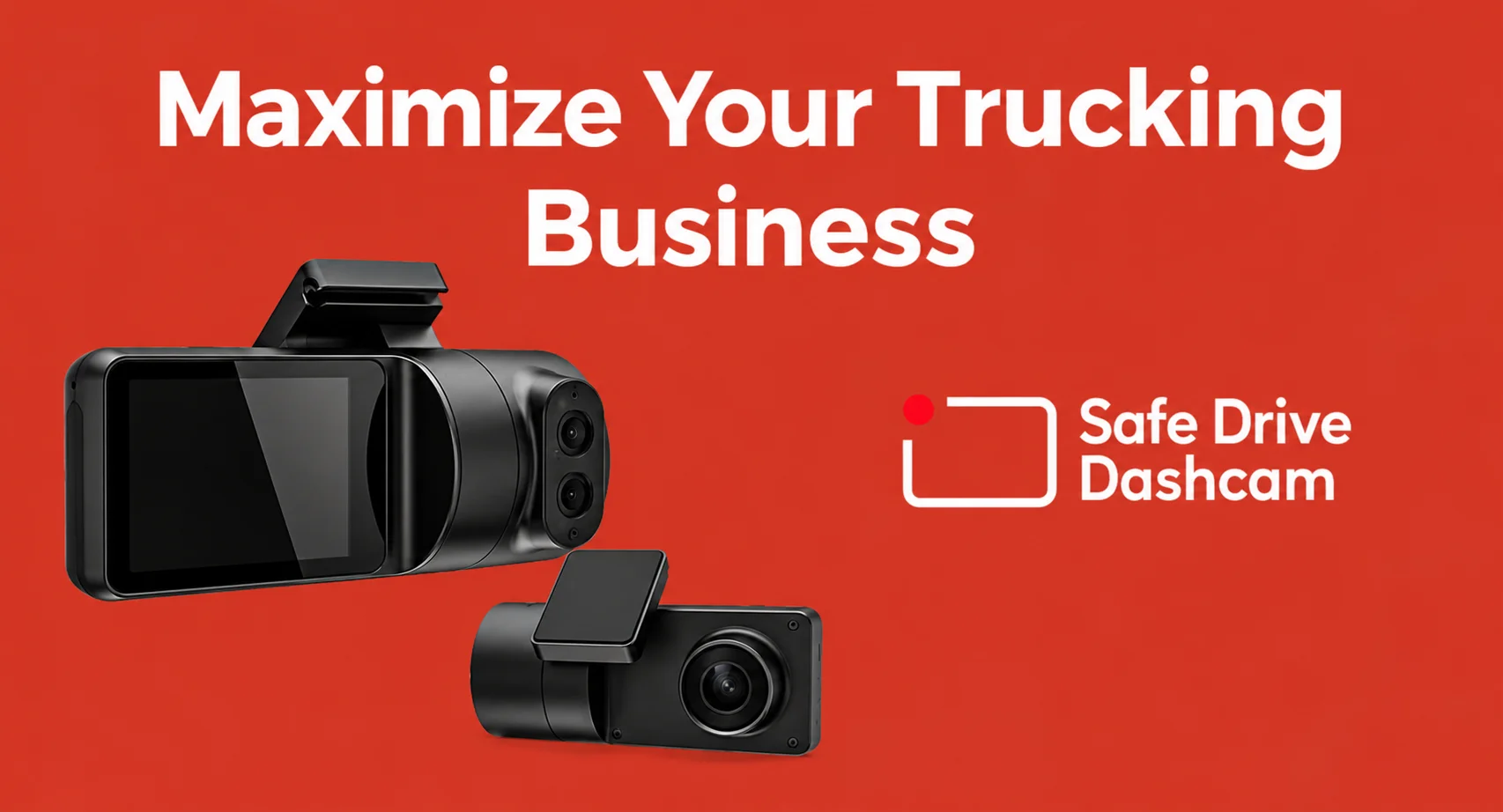
We are excited to announce our new alliance with Safe Drive Dash Cam, which offers top-tier dash cams for the trucking industry. Dash cams have become increasingly important in the trucking industry. They play a vital role in the safety and protection of drivers and fleet management. A dash cam system is an effective and reliable way to monitor and record on-road activities. Front and rear cameras offer a clear view of the road ahead and behind (sometimes even inside the cab), providing valuable evidence in various situations. Some of the benefits include:
- Accountability: A dash camera can provide indisputable evidence in accidents to help determine fault and protect drivers from false claims.
- Enhanced Safety: Features like driver monitoring and real-time alerts encourage safer driving habits.
- Fleet Management: Dash cameras can offer insights into driver performance, route optimization, and potential maintenance issues.
Aside from these, some of the best dash cam also have advanced features like wide-angle views, night vision, and GPS tracking.
Why Dash Cams are Essential for Trucking Businesses
The trucking business operates in a demanding environment. Truck drivers face numerous challenges, including road hazards, long hours, and potential accidents. Dash cams offer a powerful solution to these challenges that provide the following benefits:
Safety and Security
Dash cams are indispensable tools in enhancing the safety and security of trucking fleets. By continuously recording the road even when in parking mode, these devices help monitor the journey for any unexpected events or dangerous driving conditions. This regular surveillance empowers fleet managers to take proactive steps to improve driver safety and overall fleet security.
Evidence in Case of Accidents
One of the main reasons dash cams are so important is their ability to provide clear and critical footage that can be used as evidence in the event of an accident. Whether it’s rear-end collisions or more serious mishaps, the video evidence can assist in determining the sequence of events, helping to establish liability and protect drivers from unfounded claims. This can make insurance processing faster and potentially reduce legal expenses.
Monitoring Driver Behavior
Aside from being a rear camera, dash cams can also serve as an interior camera to provide insights into driver behavior. Additional features, such as driver-facing cameras, can help monitor activities within the cab to promote adherence to safety protocols. These devices can also send real-time alerts for issues like speeding or sudden braking, which can help establish safer driving habits and reduce the risk of accidents.
Deterring Theft and Vandalism
Another advantage of dash cameras is their role in deterring theft and vandalism. The mere presence of a dashcam can discourage criminal activities since perpetrators are aware that the camera can save footage. In the unfortunate event of theft or vandalism, the video recording can help identify offenders and serve as crucial evidence for prosecution.
Key Features to Look for in Dash Cams for Trucks
To take full advantage of a dash cam, look for the following features:
Video Quality and Resolution
The cornerstone of any good dash cam is its video quality and resolution. It must capture footage in clear, high-definition (HD) video, which is crucial in the event of an incident. Look for those that offer at least 1080p resolution, like SafeDrive cameras, which also have Wi-Fi and a wide dynamic range. The higher resolution makes it easier to identify vehicles because it captures finer details such as license plates, road signs, and even facial expressions.
Night Vision Capabilities
Night vision capabilities are equally important. Dashboard cameras with six infrared lights or advanced low-light sensors have effectively captured clear footage even in low-light conditions. Brands like Safe Drive have rear cameras with 4 LED lamps for better night vision. Features like these are invaluable for driving in poorly lit areas or at night, providing peace of mind that no detail will be missed regardless of the time of day.
Storage Options and Cloud Compatibility
Storage capacity is another critical factor. The more storage you have, the more HD videos you can store. Many dash cams come with built-in memory, like Safe Drive, which has 128G of storage and an option to add expandable storage via SD cards. Some advanced models even offer cloud storage solutions via wi-fi. Aside from easier access to the data, this allows you to back up your data online to prevent data loss in case the device gets physically damaged.
GPS Tracking and Speed Logging
Dash cams with integrated GPS tracking and speed logging capabilities allow fleet managers to monitor their vehicles’ location and speed at all times. This data can be used to analyze driving patterns and provide additional context when accidents occur.
Durability and Weather Resistance
Dash cams must also withstand the demanding environment in which trucks operate, making durability and weather resistance essential features. Look for dash cameras with an IP (Ingress Protection) rating, indicating their resistance to dust and water. These usually come in a metal waterproof casing that can withstand power washing. High-quality construction ensures longevity and reliability even under harsh conditions.
Benefits of Using Dash Cams in Your Trucking Fleet
Dash cams are no longer just a nice-to-have; they’ve become a valuable tool for trucking businesses and have numerous benefits. Here are a few noteworthy ones:
Improved Safety and Reduced Accidents
Improving safety is one of the primary benefits of installing dash cams in your trucking fleet. By monitoring road and driver behavior, dash cams can help immediately identify and address risky driving habits, such as excessive speeding, distracted driving, or harsh braking, that can lead to accidents. This real-time monitoring and feedback can cultivate safer driving habits, reducing the risks of accidents.
Lower Insurance Premiums
A dash camera also has the potential to lower insurance premiums. Insurance companies use video evidence of safe driving practices and incidents to offer discounts to fleet operators. Clear evidence of accidents can expedite claims processing, saving time and money.
Enhanced Driver Accountability and Performance
With a record of each driver’s actions, you can closely monitor how they follow safety protocols and company policies. This oversight encourages drivers to maintain high-performance standards and adhere to safe driving practices. Aside from this, cabin cameras can be used as an effective training tool for professional drivers since they can provide visual feedback for facilitating educational sessions.
Better Fleet Management and Efficiency
Many advanced dash cams’ GPS tracking and speed logging features allow you to monitor vehicle location, speed, and routes in real-time. By analyzing this data, you can optimize routes, reduce fuel consumption, aid decision-making, and enhance the overall efficiency of fleet operations.
How to Choose the Right Dash Cam for Your Trucking Business
Selecting the right dash cam requires thoughtful consideration of your business needs and priorities. Here’s a roadmap to guide you in choosing the right device for your fleet vehicles:
Assessing Your Specific Needs
Different vehicles and businesses have varying operational requirements. Consider the most important ones for your fleet. Some of these include:
- Number of Cameras: Do you need a single front-facing camera, a dual-channel system with a rear camera, or a camera that also captures the cabin?
- Video Quality: What kind of resolution do you need? 1080p HD is crucial for capturing details, but some models offer 4K resolution.
- GPS Tracking: Integrating GPS with video recordings provides valuable location and speed data for accident analysis and fleet management.
- Night Vision: If your operations include nighttime travel, ensure good night vision capability for capturing footage in low-light conditions.
Budget Considerations
The market offers various dashboard cameras with varying features and price points. High-end models like the SafeDrive AI may come with a hefty price tag but offer extensive functionalities that could justify the cost given the long-term benefits. Conversely, more affordable options provide the basics, which might be enough for some businesses. Evaluate your budget constraints and aim for a balance between necessary features and affordability that works best for your operations.
Reading Reviews and Expert Recommendations
Take the time to read reviews and seek expert recommendations to help you arrive at a decision. Read reviews from trusted sources and compare features across different brands, paying special attention to the critical features for your business.
Warranty and Customer Support
Finally, consider the warranty and customer support the dash cam manufacturer offers. A solid warranty can protect your investment against potential defects or malfunctions. It’s highly recommended that you choose brands that provide comprehensive warranties and excellent customer service to ensure timely assistance when needed.
Installation and Maintenance Tips for Dash Cams
A dash cam will only be effective if it’s installed properly. Here are some key tips for setting up your truck dash cam:
Professional Installation vs. DIY
With professional installations, you can ensure the devices are set up correctly and securely, with minimal risk of malfunction. Experts will handle the wiring, positioning, and configuration. This option is more expensive but offers peace of mind, especially if you lack technical expertise. Conversely, a DIY installation can save costs and allow customized placement to meet your fleet’s specific needs. Many modern dash cams come with user-friendly installation guides, but this option requires a certain level of vehicle electrical knowledge and skills and takes more effort.
Regular Maintenance and Updates
Be sure to maintain your dashcam and regularly install software updates when needed. This will ensure that it continues to operate efficiently and provide accurate data. Some maintenance activities include lens cleaning, SD card care, and checking connections and wirings.
Troubleshooting Common Issues
Even the most reliable dash cams can encounter issues, so learning to troubleshoot common problems can save you time and frustration. Some common issues are:
- Poor video quality
- Dash cam not turning on
- Storage problems
- GPS not working
If you lack the knowledge to fix these issues, working with a professional is the best option for fixing them immediately.
Conclusion
Installing dash cams in your trucking fleet offers many advantages, including the potential to enhance operations, safety, and driver behavior significantly. Aside from monitoring the road and cabin, modern dashboard cameras are now equipped with features like GPS tracking, speed logging, and night vision that provide invaluable data that can streamline fleet management and aid in accident analyses. So, if you’re not utilizing dash cams yet, now is the time to invest in high-quality ones. It’s a strategic decision that can maximize your business potential and improve operations. Safe Drive offers a top-tier dash cam system. Get your FREE dash cam today! As the trucking industry evolves and safety and efficiency become more important, staying ahead with reliable, high-performance dash cams can offer your business a competitive edge.